

.png)

Features
AI-Assisted Feedback Is Already Here - Konveio Can Help You Stay Ahead

A recent case in California brought new attention to a growing challenge: AI-generated public comments influencing policy decisions. In this instance, large volumes of AI-assisted submissions were used to sway an air quality ruling - essentially turning traditional advocacy tactics into something faster, cheaper, and far more scalable.
It’s tempting to see this as a brand-new problem. It’s not.
What we’re really seeing is the evolution of something that has always existed in public participation: form letters, coordinated campaigns, and pre-written talking points. AI hasn’t created this dynamic - it has supercharged it. Think of it as campaign-style participation on steroids.
That shift matters because it changes the scale and speed at which “signal distortion” can occur. When polished, well-structured responses can be generated in seconds, volume becomes an even less reliable indicator of public sentiment. But focusing only on the risks misses half the story.
AI is also making it easier for individuals to participate - especially those who might otherwise struggle to engage. Whether it’s organizing thoughts, overcoming language barriers, lack of writing confidence, or simply saving time, AI can help people express genuine perspectives more clearly.
So the question isn’t whether AI-assisted feedback is valid. It’s whether your engagement process is designed to handle it.
The Real Issue: Context vs. Volume
Most engagement workflows weren’t built for this reality. Feedback is often collected through disconnected channels like emails, surveys, and PDFs - then manually stitched together.
In that environment, AI-generated campaigns can easily overwhelm the process:
- Repetitive or duplicate input floods inboxes
- Generic responses mask meaningful insights
- Staff spend more time sorting than analyzing
If your conclusions depend on “we received 1,000 comments,” AI will expose that weakness quickly.
What actually matters is context:
- What specific part of the plan is being discussed?
- What issues are being raised consistently?
- Where is there real, experience-based insight?
Why Context-Specific Engagement Changes Everything
This is exactly where Konveio’s approach stands apart.
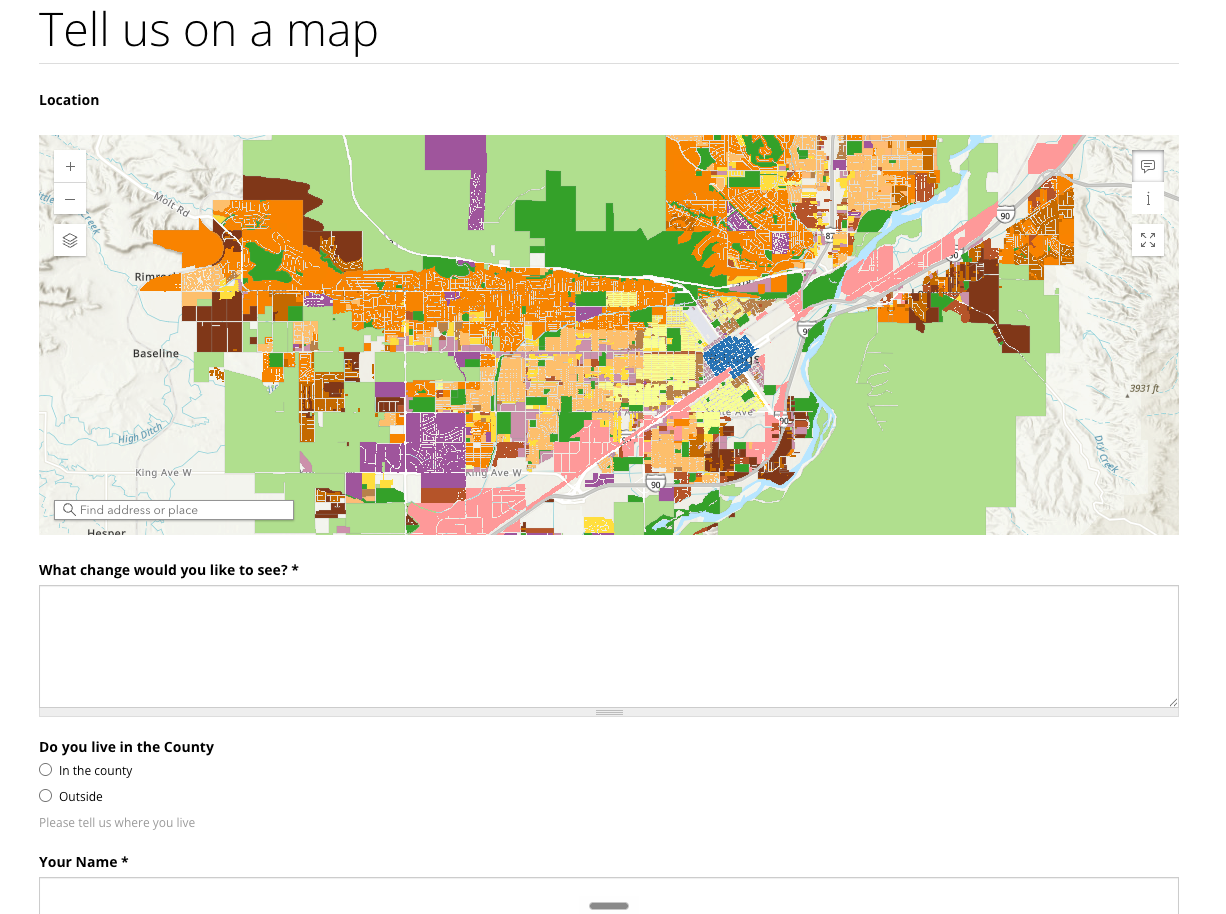
Instead of collecting feedback in isolation, Konveio anchors every comment directly to the content itself. Participants read, then respond within the document - on a specific section, policy, or map.
That simple shift does a few powerful things:
- Reduces generic, copy-paste responses
- Encourages more informed participation
- Makes it easier to distinguish real insight from noise
Even if AI is used to help draft a comment, the feedback is still grounded in context, which dramatically improves its usefulness.
Turning Volume Into Insight
On the backend, Konveio’s AI tools help teams keep up with increasing volumes of input without losing clarity.
Comments are:
- Automatically summarized
- Tagged and grouped into themes
- Analyzed for sentiment and trends
Instead of manually sorting through hundreds (or thousands) of responses, teams can quickly identify what actually matters.
This doesn’t eliminate AI-assisted campaigns, but it makes them manageable. More importantly, it ensures that decision-making is based on patterns and evidence, not just volume.
A Better Standard for Engagement
The California example is a signal, not an anomaly.
AI-assisted participation is becoming part of everyday communication. The processes that succeed won’t be the ones that try to filter it out - they’ll be the ones designed to work with it.
Konveio helps teams do exactly that by:
- Making complex documents easier to understand and navigate
- Structuring feedback around context, not channels
- Providing transparent, defensible analysis
In a world where anyone can generate a polished response in seconds, the real differentiator isn’t how feedback is written. It’s how well you can understand, organize, and act on what people are actually saying.


Similar posts



Explore a live example


